Uncategorized
Swedish vs Deep Tissue Massage: Which One Is Right for You? A Dubai Spa Guide
Swedish massage or deep tissue — which one is right for you? Differences in pressure, benefits, who each is for, and how to choose at a Dubai spa.
Walking into a Dubai spa for the first time, the most common question we hear is also the most useful: ‘What’s the difference between a Swedish and a deep tissue massage, and which one should I book?’ It matters more than the marketing names suggest. Pick the wrong one and you either leave wishing it had been firmer, or you spend the next two days sore. Pick the right one and you rebook for the same time next month. Below, the actual differences between the two most requested massages — how they feel, what they do, who they’re for — and a simple rule of thumb to choose between them at any spa in Dubai.
The Core Difference: Pressure and Purpose
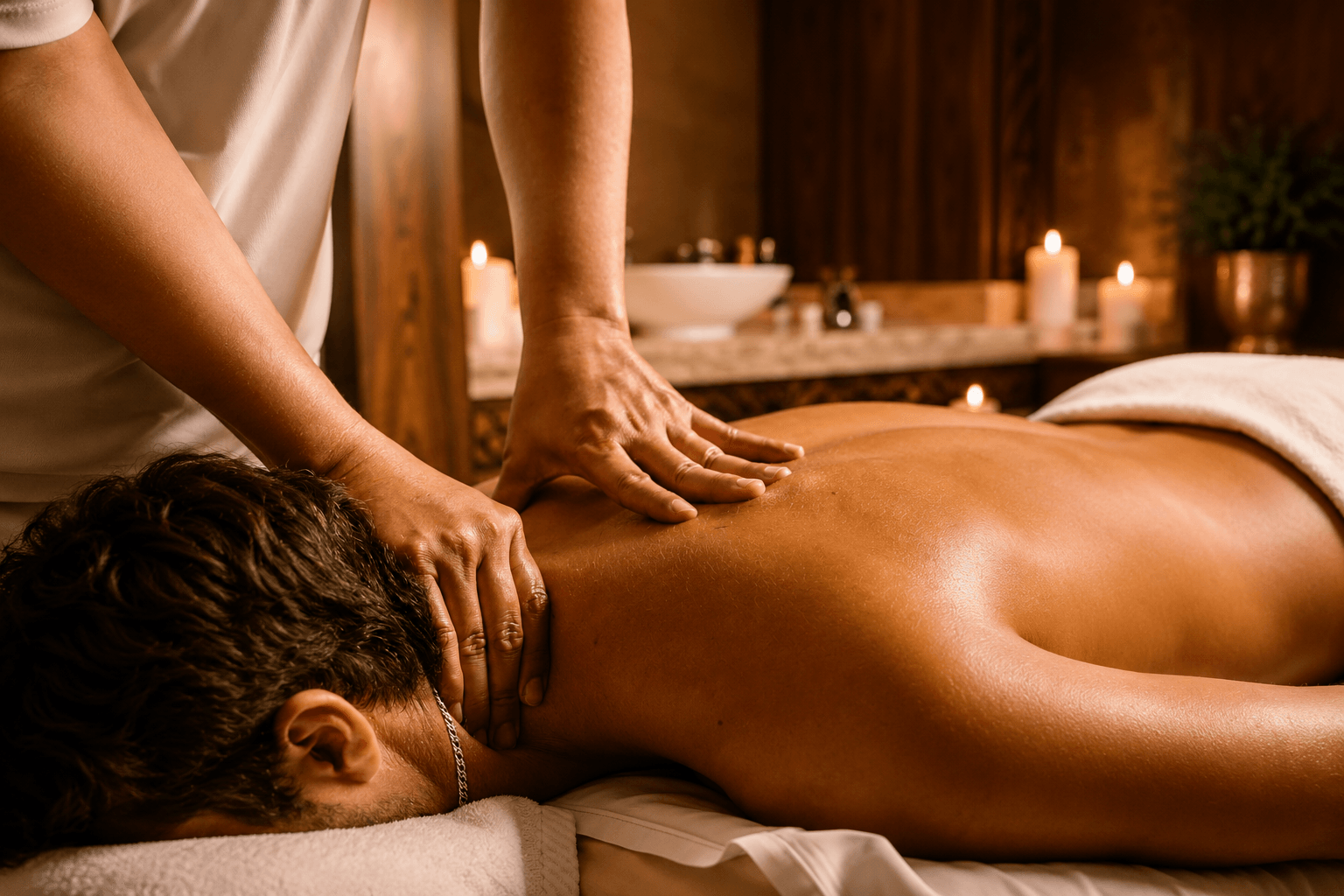
The shortest accurate answer is this. Swedish Relaxion Massage uses light to medium pressure, long flowing strokes and oil to relax the whole body and calm the nervous system. Deep tissue massage uses slower, firmer pressure that works through layers of muscle to release specific tension, knots and chronic tightness — most often in the back, neck, shoulders and hips.
Swedish is the default ‘relaxing massage’ people imagine when they picture a spa. Deep tissue is the one you book when something specifically hurts, or when you carry tension that lighter massages have stopped fixing.
Swedish Massage: What It Is and Who It’s For
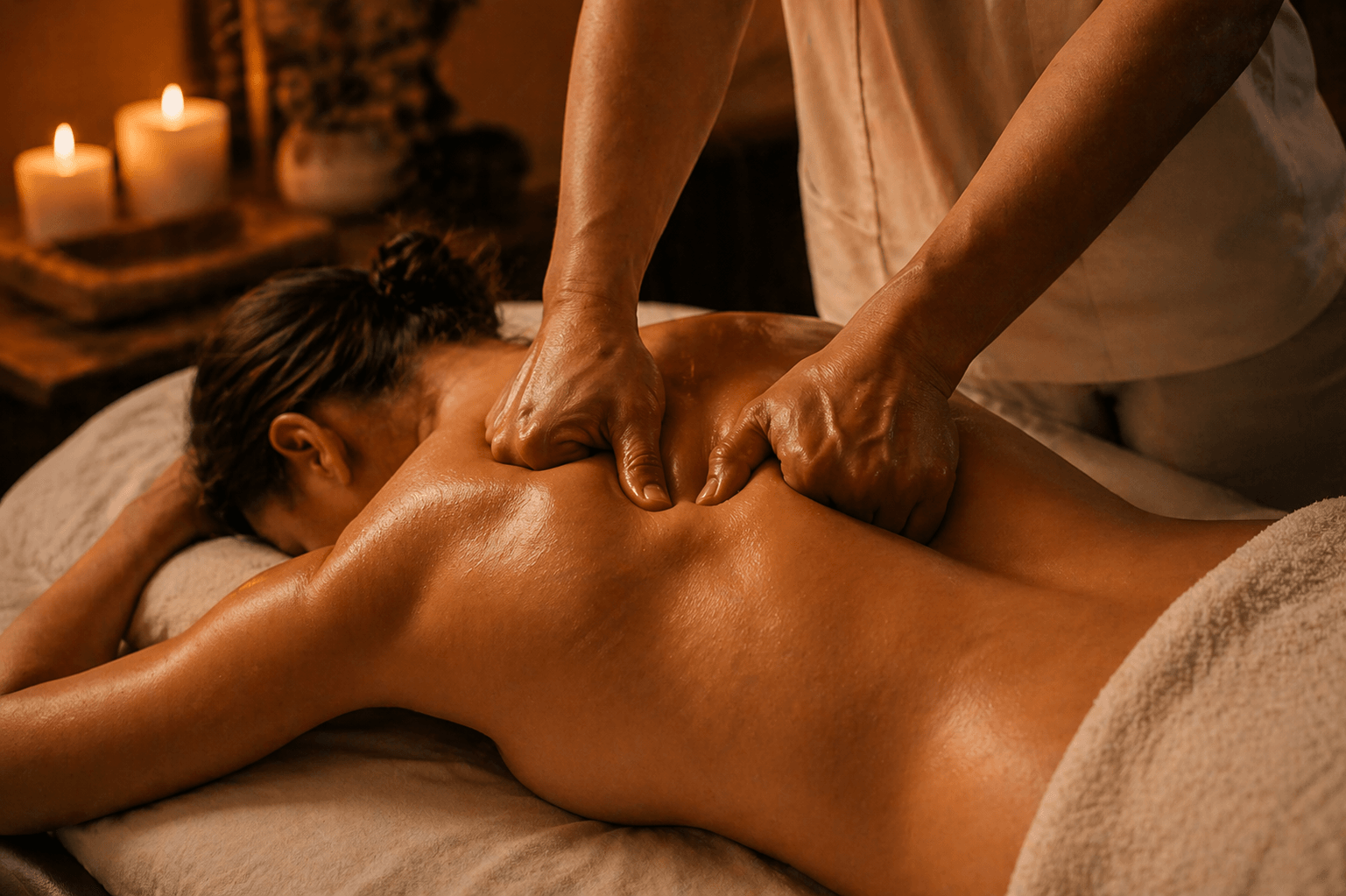
Swedish massage is the most-requested massage in the world and the foundation most therapists learn first. It uses five core techniques — long gliding strokes (effleurage), kneading (petrissage), rhythmic tapping (tapotement), friction and vibration — applied smoothly with oil across the whole body. The therapist works at a calm, even pace. Pressure is light to medium — present, never harsh.
Swedish is the right choice when your goal is to relax, recover from a long week, sleep better, support general circulation or simply enjoy 60 minutes of full-body care. It’s also the right entry point if you’ve never had a professional massage, or if you have a specific medical condition that contraindicates deeper work.
Choose Swedish if you…
- Want a relaxing, low-effort, whole-body experience.
- Are new to professional massage and not sure how you’ll react.
- Have light, generalised tension rather than one stubborn area.
- Want better sleep, lower stress, calmer mind.
- Are pregnant (in your second or third trimester, with a trained therapist).
- Have just landed in Dubai after a long flight.
Deep Tissue Massage: What It Is and Who It’s For
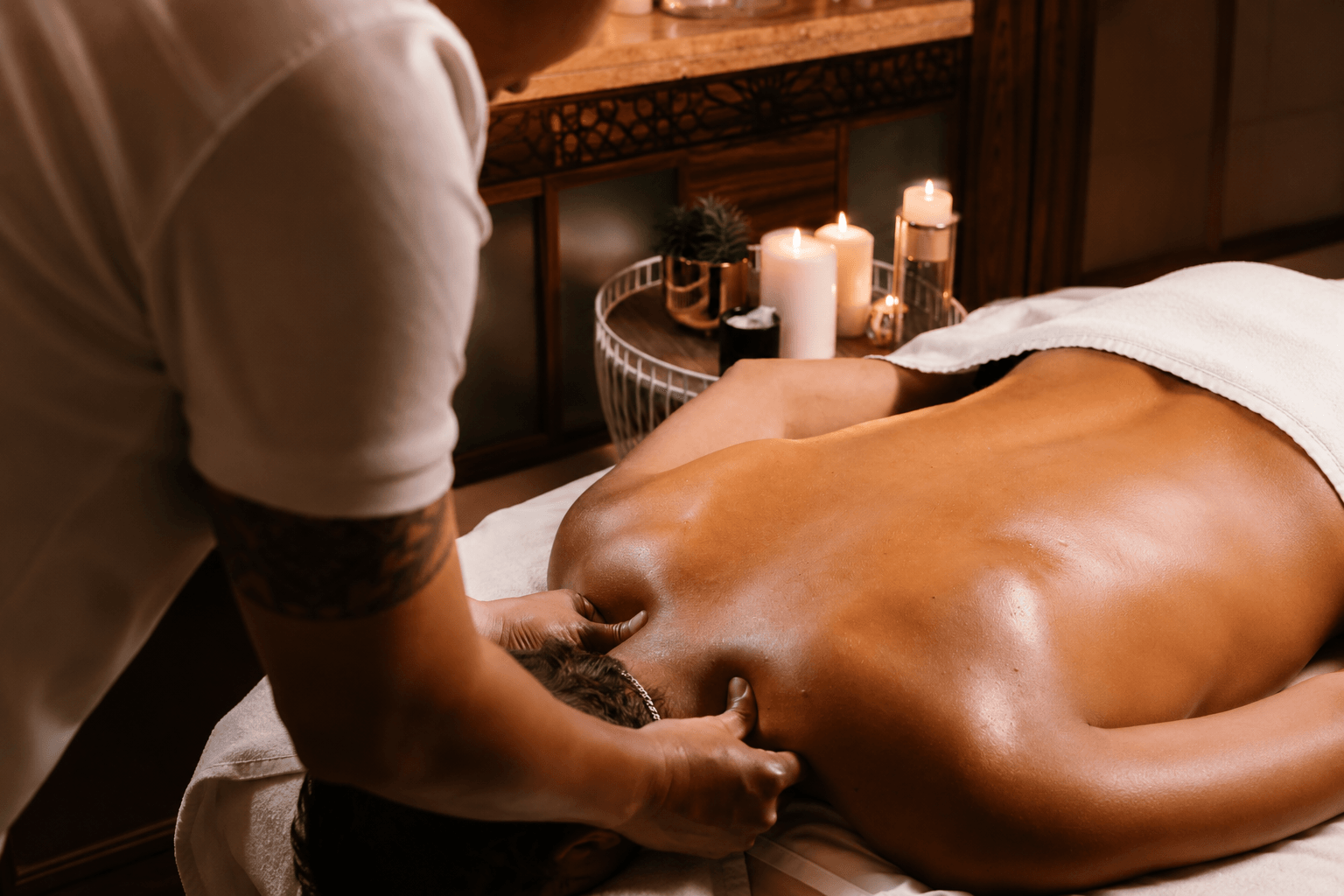
Deep tissue Therapy is not ‘Swedish but harder’. It is a different technique. The therapist uses slower, more deliberate movements and applies sustained pressure with fingers, knuckles, fists and sometimes elbows to reach the deeper layers of muscle and fascia. The goal is to release adhesions — the knots and stuck spots that build up from desk work, training, stress and old injuries.
It can feel intense in specific places. Some discomfort is normal; sharp pain is not. A good deep tissue therapist constantly checks pressure and works at the edge of what your body releases, not past it. The day after, you may feel slightly sore — like after a good workout — and then noticeably looser the following day.
Choose Deep Tissue if you…
- Carry chronic tension in your back, neck, shoulders or hips.
- Sit at a desk all day or drive for long hours.
- Train regularly, especially weights or running.
- Have recurring tension headaches.
- Have tried ‘relaxing massages’ and felt like they didn’t really do anything.
- Have a specific painful spot you can point to.
“Swedish massage relaxes the body. Deep tissue changes how the body holds itself. Most people need a bit of both." — Lead Therapist, Luxe Spa Dubai.”
Side-by-Side Comparison
If you’ve read this far and still aren’t sure, this is the quick comparison most clients find useful before booking.
Swedish Massage | Deep Tissue Massage | |
|---|---|---|
Main goal | Whole-body relaxation, stress relief | Release specific tension, knots, chronic tightness |
Pressure | Light to medium | Firm to deep, locally intense |
Pace | Steady, flowing | Slower, deliberate |
Focus | Full body | Targeted areas (back, neck, hips, etc.) |
Sensation | Pleasant, calming | Intense in places — ‘good hurt’ |
Day after | Light, refreshed | May feel slightly sore, then looser |
Best for | Stress, sleep, general care, beginners | Desk pain, athletes, chronic tension |
Frequency | Weekly to monthly | Every 2–4 weeks for ongoing issues |
The Honest Middle Ground: Combination Massage
Not every body fits neatly into one box. Many clients want most of the massage to be relaxing — full body, oil, calm pace — but with 15–20 minutes of deeper, focused work on the upper back and shoulders. A good therapist will adapt on the day if you ask. At Luxe Spa Dubai we adjust pressure throughout the session based on what we feel in your tissues and what you tell us. It’s the most honest answer to ‘which one should I book?’ — start with what you need most, and we adjust from there.
How to Communicate Pressure With Your Therapist
The single biggest factor in whether you love your massage is communication. Most clients are too polite. Use this simple scale:
1 — barely felt; too light. 2 — pleasant but light. 3 — present, comfortable. 4 — firm, focused, ‘this is doing something’. 5 — at the edge of comfortable, breathing matters. 6+ — too much; back off.
Tell your therapist where on this scale you want to be. Speak up the second something is more than a 5. Good therapists prefer feedback to silence — they want you to come back.
How Often Should You Get Each?
For Swedish, weekly is great if your schedule and budget allow; monthly is the realistic minimum for stress management. For deep tissue, most clients with desk-job tension or training loads do well at every 2–4 weeks until things settle, then monthly maintenance. If you’re addressing a specific issue (chronic neck tension, post-injury recovery), 4–6 weekly sessions in a row usually produce the biggest shift.
Where Hot Stone, Aromatherapy, Sports and Other Massages Fit
Once you understand the Swedish-to-deep-tissue spectrum, the rest of a spa menu starts to make sense. Most other massage modalities are variations along this same scale, each adding something specific.
Hot Stone Massage uses heated basalt stones placed along the spine and worked into the muscles. The warmth helps tissue release without using deep pressure — making it a gentle middle ground between Swedish and deep tissue. Excellent for people who carry tension but find deep tissue too intense.
Aromatherapy Massage is a Swedish-style massage performed with a chosen essential-oil blend — calming (lavender, chamomile), uplifting (citrus, peppermint) or grounding (sandalwood, frankincense). The oils don’t change the pressure, they change the nervous-system experience. Pick this if you want Swedish results plus a sleep, stress or energy benefit on top.
Sports Massage sits on the deep-tissue side but is built around movement and specific muscle groups used in your sport. The therapist uses stretching, compression and targeted pressure — pre-event, post-training or for ongoing recovery.
Balinese Massage layers acupressure on a Swedish base and adds warm oils with long, grounding strokes — particularly good after long-haul travel.
Lymphatic Drainage Massage is the lightest of all and works completely differently — rhythmic light strokes to move lymphatic fluid. Useful for post-flight swelling, post-surgery recovery and fluid retention, not for muscle tension.
What Happens In Your Body During Each Massage
Knowing what’s actually changing under the skin helps you choose with confidence.
Swedish massage triggers your parasympathetic nervous system — the ‘rest and digest’ mode. Heart rate slows, breathing deepens, blood pressure tends to drop slightly and cortisol (the main stress hormone) falls. Blood circulation improves at the surface of the muscles. This is why a good Swedish session leaves you slightly sleepy and noticeably calmer.
Deep tissue massage works in the deeper muscle layers and on fascia — the connective tissue wrapping muscles together. Sustained pressure on a tight spot triggers a local release: the muscle fibres lengthen, blood flow returns to areas that had been restricted, and fascial layers regain glide. This is why people often say they ‘feel taller’ or ‘breathe easier’ after a good deep tissue session, even though nothing has literally moved.
When You Should NOT Book Either
Massage is broadly safe but there are clear moments to skip it or check with a doctor first. Acute injuries — anything from the past 48 hours that’s still swollen, hot or bruised — wait. Fever or flu symptoms — wait. Recent surgery — only with your surgeon’s clearance. Skin infections in the area to be treated — postpone. Certain blood conditions, severe cardiovascular disease, or being on blood-thinning medication warrant a doctor’s go-ahead.
Pregnancy is not a blanket no — many spas offer dedicated prenatal massage from the second trimester. But default deep tissue and standard Swedish positioning are not right during pregnancy. Always book the specific prenatal service and tell the spa your trimester.
Frequently Asked Questions
Is deep tissue massage supposed to hurt?
Can I get a deep tissue massage every week?
Which is better for back pain?
I have low blood pressure. Which is safer?
How do I know if my therapist is good?
Tags:dubaiguidemassageswedish