Uncategorized
Moroccan Bath in Dubai: The Complete Hammam Guide, Benefits & What to Expect
Everything to know about Moroccan baths in Dubai — what they are, benefits, the step-by-step ritual, what to wear, costs and how to choose.
A Moroccan bath in Dubai is more than a beauty treatment. It is a centuries-old ritual that turns an ordinary hour into a complete reset — for the skin, the body and the mind. If you have ever left a spa feeling vaguely relaxed but not really changed, the hammam works on a different level. You walk out with skin you will recognise in the mirror, shoulders that finally drop and a clarity that comes from sweating out a busy week in Dubai. In this guide we explain what a Moroccan bath actually is, the proven benefits, the full step-by-step process, what to bring, how much it should cost and how to pick the right hammam in the city.
What Is a Moroccan Bath?
A Moroccan bath — also called a hammam, hammam Maghrabi or Moroccan steam bath — is a traditional cleansing and exfoliation ritual that originated in North Africa and travelled across the Arab world. In Morocco it is a social ritual repeated weekly; in Dubai, it has evolved into a refined spa experience built around three core elements: warm steam, natural black soap (savon noir, made from olives) and deep exfoliation with a textured kessa glove.
Unlike a quick shower or a body scrub kit at home, the hammam works because heat opens the pores first, the black soap softens dead skin for several minutes, and only then is the kessa glove used to sweep away layers most people never realised were there. The result is not subtle — your skin is visibly clearer the same day, and that clean feeling lasts for over a week.
The Top Benefits of a Moroccan Bath
Below are the benefits clients notice consistently after their first proper hammam at our Dubai locations.
1. Deep skin renewal
The combination of steam and kessa exfoliation removes a thick layer of dead skin cells that builds up especially fast in Dubai’s climate — dry indoor air conditioning, sweat, sunscreen residue and city dust. Most clients see immediate brightness, smoother texture and noticeably softer arms, back and legs.
2. Better circulation and detoxification
Heat plus rhythmic massage and scrubbing stimulates blood flow and lymphatic drainage. You sweat, you release, and you leave feeling lighter — a real difference if you sit at a desk all week or have just landed from a long flight.
3. Real stress relief
The combination of warmth, low light and the unhurried pace of the ritual triggers the parasympathetic nervous system. By the time the argan-oil massage finishes, the tension you walked in with is gone.
4. Smoother shaving and better product absorption
Once dead skin is gone, lotions, serums and oils absorb faster and deeper. Many clients also notice that hair removal — waxing or shaving — is easier and lasts longer for a week or two after a hammam.
5. A clean, present feeling
This benefit is hard to describe but every regular hammam client knows it. There is a specific lightness you only get from being properly steamed, scrubbed and oiled. It is not ‘I had a massage’ relaxed — it is ‘I feel like myself again’ relaxed.
What Happens During a Moroccan Bath in Dubai — Step by Step
Every spa has its own rhythm, but a complete Moroccan bath at Luxe Spa Dubai follows the same sequence as the traditional Moroccan ritual. Expect roughly 45–60 minutes for a Classic Moroccan Bath, longer for fusion and royal versions.
Step 1 — Steam (10–15 min)
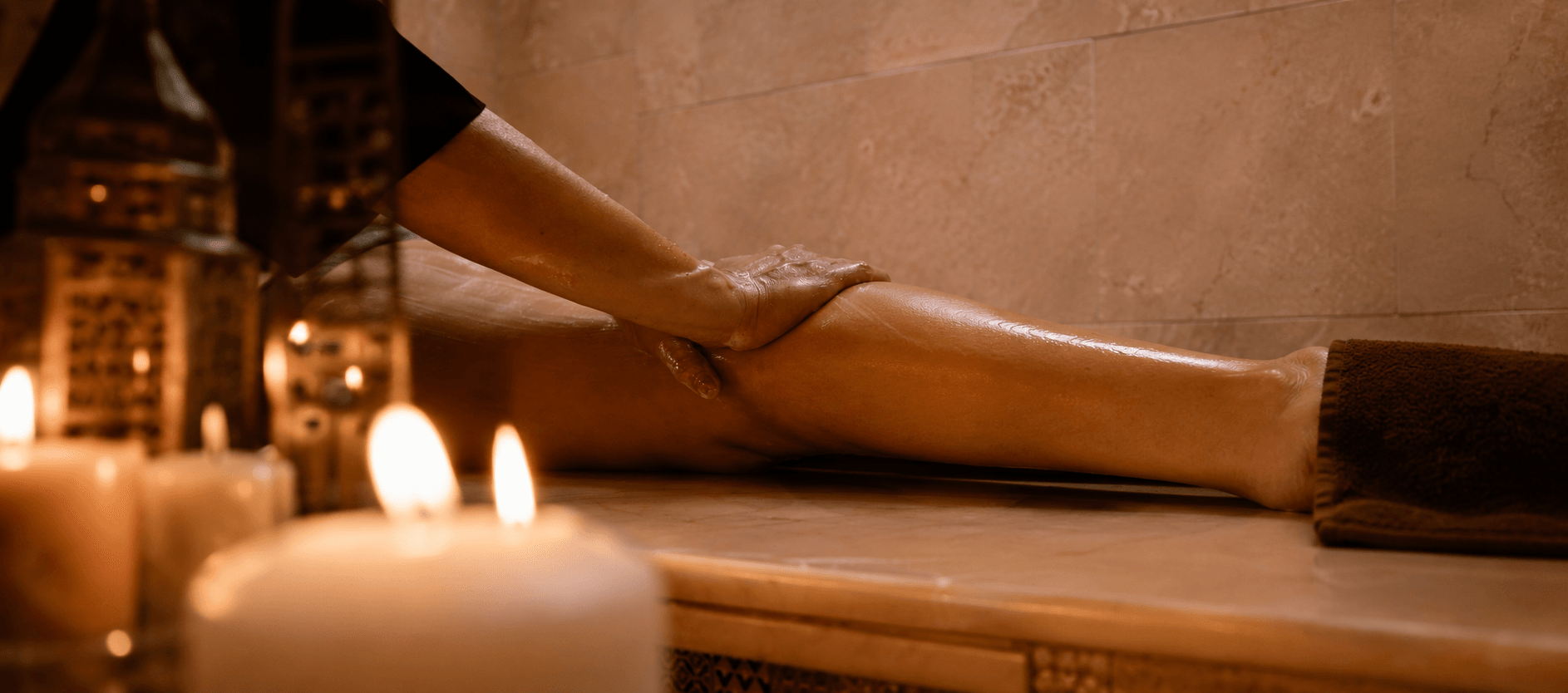
You enter a heated, humid room and rest on a warm marble or stone bench. The steam opens pores, softens skin and starts the sweating process. No effort — just lie down and breathe.
Step 2 — Black Soap (5–10 min)
Savon noir, a dark paste made from black olives, is massaged over the entire body and left to act. It softens the top layer of skin and starts to draw out impurities.
Step 3 — Kessa Glove Exfoliation (15 min)
This is the heart of the ritual. Your therapist uses the kessa — a coarse mitt — to firmly sweep away dead skin in long strokes. You will see the result on the glove. It is not painful but it is thorough. The first time, most clients are surprised by how much comes off.
Step 4 — Rinse and Mask (Fusion + Royal only)
In our Fusion Moroccan Bath we add a rhassoul clay mask after rinsing — it pulls out remaining impurities and remineralises the skin. The Royal Moroccan Bath adds a scalp ritual on top of that.
Step 5 — Argan Oil Finish (5–10 min)
Warm argan oil is massaged across the body, sealing in moisture and giving the skin its signature post-hammam glow. You leave with skin that feels velvety, not tight.
“The hammam doesn't try to relax you with music and dim lighting. It works first on the skin, and the calm follows on its own." — Spa Manager, Luxe Spa Dubai.”
Moroccan Bath vs Turkish Bath — What’s the Difference?
Both are steam-based cleansing rituals from the same broad tradition, but they differ in a few important ways. Turkish hammams centre on a heated marble slab (göbek tasi) where much of the treatment happens, and traditionally use foam-rich olive-oil soap. Moroccan hammams use the savon noir paste and the kessa glove for deeper exfoliation, and the skin-renewal effect tends to be more dramatic. If you have never tried either, the Moroccan version gives the more visible ‘first time, what just happened to my skin’ result.
How Often Should You Do a Moroccan Bath?
For most adults living in Dubai, once every 2–4 weeks is ideal. The hot, dry climate combined with frequent indoor air conditioning, sun exposure and sunscreen layering means dead skin builds up faster here than in cooler cities. Doing a hammam more than once a week is not recommended — give your skin’s natural barrier time to rebuild. Tourists usually time one hammam toward the end of their trip — there is no better way to reset before the flight home.
What to Wear and What to Bring
Most clients overthink this. Bring nothing — the spa provides everything from disposable underwear to towels, slippers and robes. Wear or bring whatever you arrived in. After the treatment, expect to feel warm for 20–30 minutes — loose, light clothes are more comfortable than tight gym wear or jeans. Drink water before and especially after. Avoid heavy meals immediately before. And do not shave the day of the bath — give your skin a day of recovery.
How Much Does a Moroccan Bath Cost in Dubai?
Prices in Dubai range widely. Budget spas can offer a basic hammam from around AED 99–150, while five-star hotel spas charge AED 500–900+ for a single Moroccan bath. Most premium spas — including Luxe Spa Dubai — sit in the AED 250–600 range depending on whether you choose Classic, Fusion or Royal, and whether you combine it with a massage. For a single client deciding once a month, the combination ‘hammam + massage’ is the best value: you get two full rituals in one visit, often at a saving compared to booking them separately.
How to Choose the Right Hammam in Dubai
Three things matter more than price. First, hygiene: ask whether kessa gloves and slippers are single-use or sterilised between clients. Second, the products: real savon noir made from olives, real Moroccan rhassoul clay and real argan oil make a visible difference. Third, the therapist’s experience — the kessa stage needs the right pressure for your skin. Reading reviews and looking for transparent service descriptions is usually enough to shortlist 2–3 options. If you’re comparing two spas with similar reviews and pricing, the deciding factor is usually the suite itself. A proper hammam needs a dedicated steam room and stone bench, not a regular treatment room with a portable steamer. When you can, look at photos of the actual room before booking — or ask the spa to send them.
Aftercare: How to Make the Glow Last
The single biggest mistake clients make is rushing back into their usual routine right after a hammam. Your skin has been through a deep reset — treat the next 24 hours thoughtfully and the post-hammam glow will last a full two weeks instead of three days. For the rest of the day: drink more water than usual, skip the gym, and use a gentle fragrance-free body lotion or pure argan oil in the evening. Avoid saunas, hot tubs and long sun exposure for 24 hours — the skin’s protective layer is freshly thinned and more sensitive than usual. The next morning, your normal skincare can resume. Long-term, two habits keep the effect alive: a light body brush or gentle daily exfoliation a few times a week, and a quality body oil applied to slightly damp skin straight after showering. Almost everything sold as ‘after-hammam ritual’ at the spa boutique works — what matters is consistency, not the brand.
Common Mistakes to Avoid Before Your First Hammam
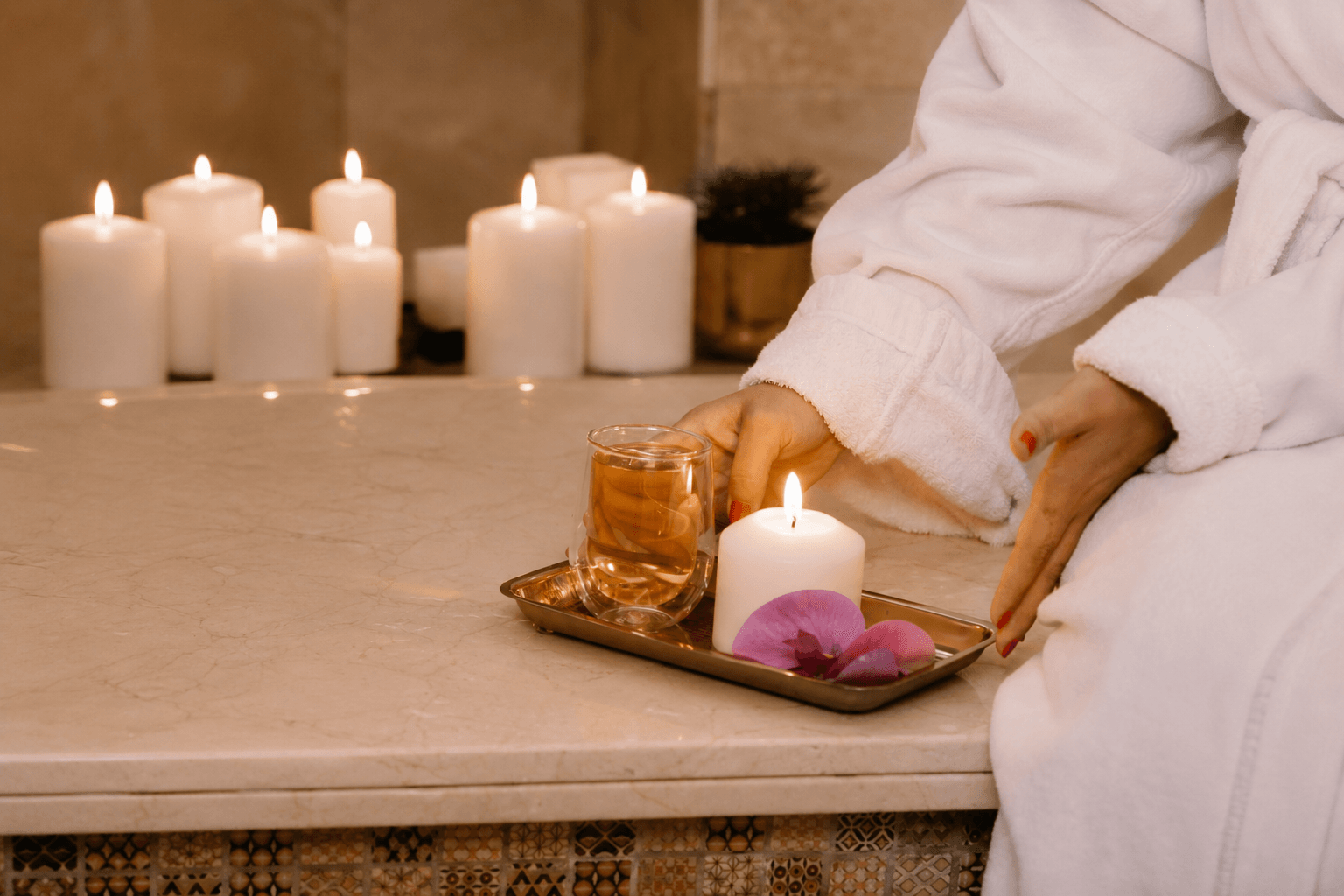
A few small things ruin first-timer experiences. Avoid them and your first hammam will be one of the best wellness experiences you have in Dubai. Don’t shave or wax in the 24 hours before — the kessa exfoliation on freshly shaved skin is unnecessarily uncomfortable. Don’t apply rich body lotion on the morning of — it interferes with the black soap. Don’t eat a large meal less than 60 minutes before — heat plus a full stomach is not pleasant. Don’t drink alcohol the night before if you can avoid it — dehydration before a sweat-heavy ritual makes the post-treatment headache real. Finally, don’t book your first hammam on a day when you have important plans straight after. Build in 30 minutes of buffer to enjoy the lounge, drink your tea and re-enter the world slowly. That window is part of why the ritual works.
Frequently Asked Questions
How long does a Moroccan bath in Dubai take?
Is the kessa glove painful?
Can I do a Moroccan bath while pregnant?
How should I prepare for my first hammam?
Moroccan bath, massage or both?
Tags:bathdubaiguidemoroccan